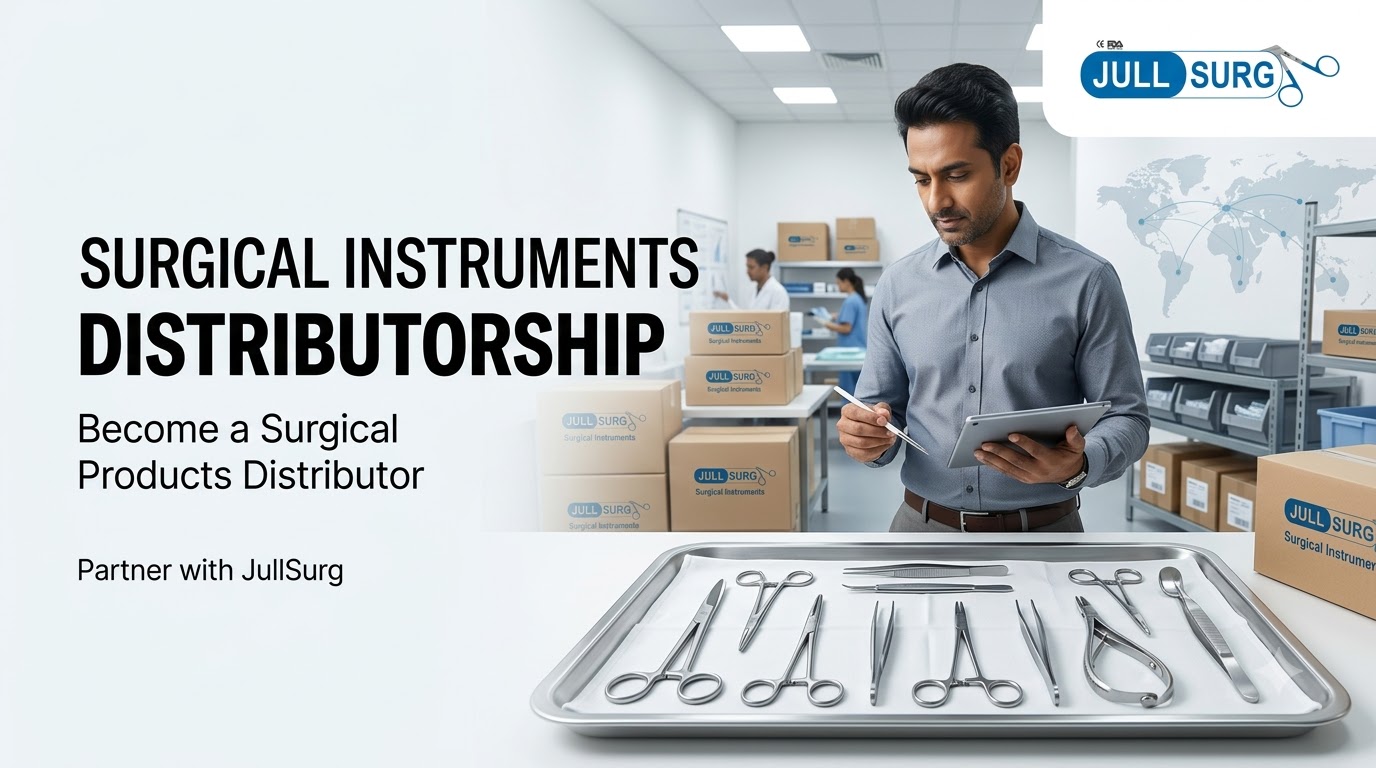
Surgical Instruments Distributorship | Become A Surgical Products Distributor
Starting a surgical product distribution business can be a practical option for medical suppliers, healthcare entrepreneurs, and businesses already serving hospitals and clinics. A surgical instrument distributor connects manufacturers with healthcare buyers by managing product sourcing, inventory, orders, and customer relationships.
A successful distribution business depends on more than finding products at a suitable price. Product quality, consistent supply, documentation, delivery timelines, and supplier support all matter. For businesses exploring surgical instruments distributorship, choosing the right manufacturing partner is one of the first decisions to make. JullSurg works in surgical instrument manufacturing and supply, supporting healthcare buyers and distributors with a range of surgical products.
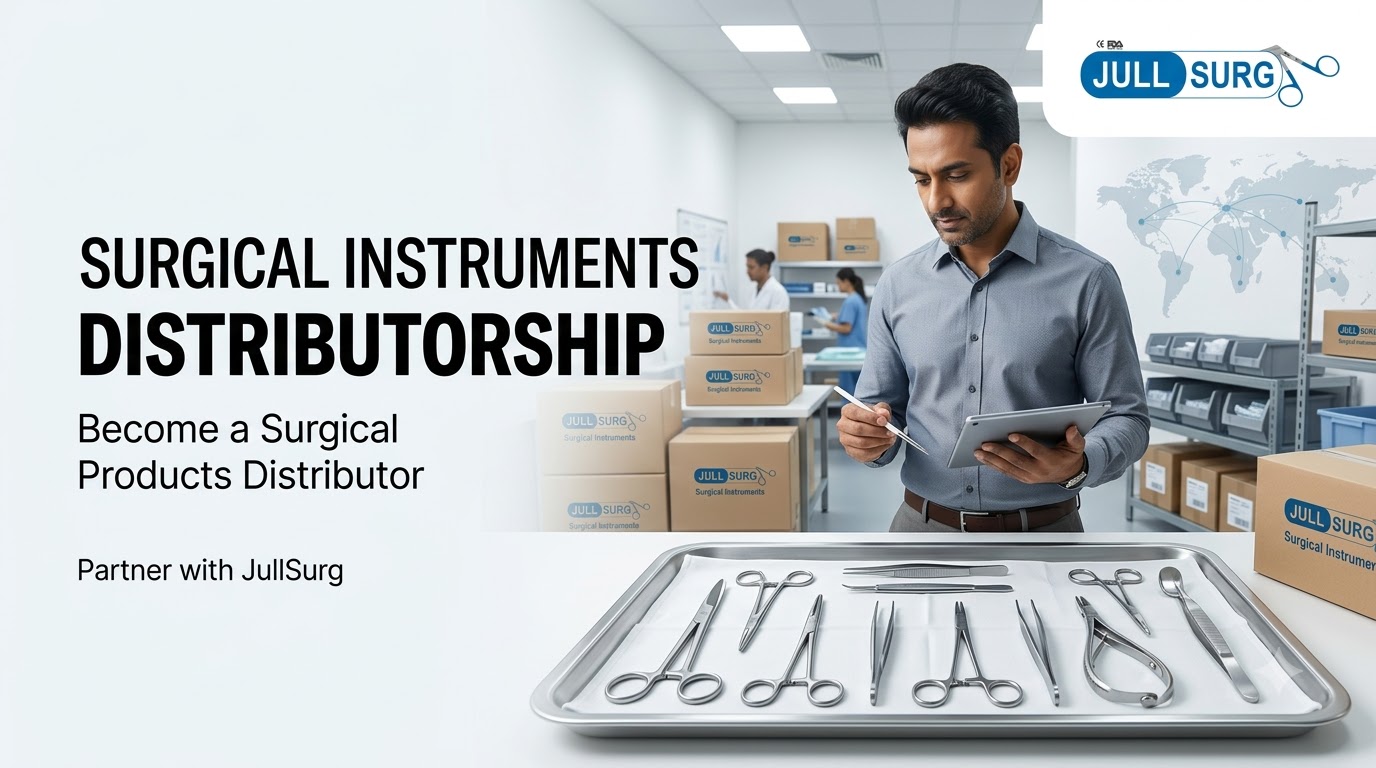
What Is Surgical Instruments Distributorship?
Surgical instruments distributorship is a business arrangement where a distributor sources surgical products from a manufacturer or supplier and supplies them to hospitals, clinics, surgical centers, dealers, and other healthcare businesses.
A distributor may handle:
- Product sourcing and purchasing
- Inventory planning
- Customer orders
- Local sales and distribution
- Communication with healthcare buyers
- Delivery coordination
Before starting, it is useful to understand the products, customers, competition, and applicable business requirements in the target market.
Why Consider a Surgical Instrument Business Opportunity?
Surgical instruments can be a useful addition to an existing medical supply portfolio. Hospitals, clinics, and surgical centers require instruments for different procedures and specialties, creating demand for a wide range of products.
For an existing medical business, adding surgical products can help expand its customer base. However, a surgical instrument business opportunity should be evaluated carefully based on local demand, competition, investment requirements, regulations, and the ability to maintain reliable stock.
The focus should be on building sustainable B2B relationships rather than expecting quick returns.
Who Can Become a Surgical Instrument Distributor?
A become surgical instrument distributor opportunity may be suitable for businesses that already understand medical product sales or healthcare procurement.
Potential distributors include:
- Existing medical distributors
- Surgical instrument dealers
- Medical equipment suppliers
- Hospital equipment suppliers
- Healthcare wholesalers
- Medical importers
- Healthcare entrepreneurs
- Businesses already supplying hospitals
A medical equipment distributor entering this segment should first understand the applicable registration, licensing, product approval, storage, and regulatory requirements. These requirements can vary depending on the product and market, so they should be verified with the relevant authorities or professional advisors.
Choose the Right Surgical Instrument Manufacturer
The manufacturer behind your products can directly affect your ability to serve customers. A distributor should not select a supplier only because of a low quotation.
Before working with a surgical instrument wholesaler or manufacturer, check:
- Product quality and materials
- Manufacturing consistency
- Quality inspection procedures
- Available product categories
- Product availability
- Order quantities
- Pricing structure
- Delivery timelines
- Product documentation
- Customer support
It is better to compare the overall value offered by different suppliers than to focus only on the initial purchase price.
Check the Product Range Before Starting
Healthcare buyers may need instruments for different surgical specialties. A surgical products distributor should therefore understand which categories have demand in its target market.
Depending on the manufacturer's portfolio, categories may include:
- General Surgery
- Orthopedic Surgery
- ENT
- Neurosurgery
- Spine Surgery
- Gynecology
- Ophthalmology
- Plastic Surgery
The exact product range, availability, and purchasing terms should always be confirmed directly with the manufacturer before making business commitments.
Compare Pricing, Supply and Delivery
Purchase price is only one part of distribution planning. A distributor also needs to consider minimum order quantities, packaging, shipping, inventory requirements, and delivery schedules.
Consistent supply is particularly important when customers depend on regular product availability. Before placing an order, clarify expected production and dispatch timelines, shipping arrangements, and the process for repeat orders.
Good inventory planning can also help prevent both unnecessary stock and unexpected shortages.
Understand Your Target Market
Before investing in products, identify who you want to serve. Your potential customers may include:
- Hospitals
- Surgical centers
- Private clinics
- ENT clinics
- Medical dealers
- Healthcare institutions
- Other distributors
Research the products commonly purchased in your area, competitor pricing, customer budgets, purchasing frequency, and applicable regulations.
A surgical instrument dealer should also understand whether customers prefer direct purchasing, regular supply contracts, or purchases through established medical distributors.
Surgical Instrument Dealership vs Distribution
The terms surgical instrument dealership and distribution can mean different things depending on the manufacturer, country, and commercial arrangement.
Before entering an agreement, businesses should clearly discuss:
- Sales territory
- Available products
- Purchasing requirements
- Pricing
- Order process
- Delivery arrangements
- Customer support
- Commercial terms
There is no single arrangement that works for every business. The right structure depends on the market and the supplier's terms.
Why Choose JullSurg as a Supply Partner?
JullSurg focuses on surgical instrument manufacturing and supply for healthcare buyers and medical businesses. Its role as a supply partner can be evaluated by businesses based on product requirements, availability, quality processes, communication, and order support.
For a medical equipment distributor or hospital equipment distributor, factors such as product range, manufacturing capability, supply consistency, and communication are worth considering before establishing a long-term sourcing relationship.
Businesses looking to operate as a surgical instrument distributor can contact JullSurg to discuss their product requirements and sourcing needs.
Medical Device Distributor India – What Should You Check?
Businesses planning to operate as a medical device distributor India should understand the regulatory side of their activities before purchasing stock.
Key areas to review include:
- Business registration
- Applicable medical device regulations
- Product documentation
- Supplier credentials
- Quality requirements
- Storage conditions, where applicable
- Inventory planning
- Shipping and delivery
- Customer support
- Local market demand
Regulatory requirements can change and may differ by product category. Always confirm the current requirements with the appropriate authority or a qualified professional before starting distribution activities.
Questions to Ask Before Becoming a Distributor
Before choosing a supplier, ask practical questions such as:
- What surgical instruments are currently available?
- What are the minimum order requirements?
- What materials are used in the products?
- How are instruments inspected?
- What quality documents are available?
- What is the expected delivery timeline?
- How is regular product availability maintained?
- What customer and order support is provided?
- What are the applicable distribution terms?
- What documents are available for international orders?
Getting clear answers can help you compare suppliers and plan your business more effectively.
Conclusion
Surgical instruments distributorship can be considered by medical businesses that want to expand their product portfolio and serve hospitals, clinics, dealers, and healthcare organizations. However, a strong distribution business requires careful planning and a dependable supply network.
Before starting, evaluate product quality, manufacturing capabilities, product range, purchasing terms, supply consistency, delivery, documentation, customer support, and regulatory requirements. If you are planning to become a surgical instrument distributor, surgical products distributor, medical equipment distributor, or medical device distributor India, JullSurg can be evaluated as a potential supply partner for your surgical instrument business opportunity.