Common Mistakes Hospitals Make When Purchasing Surgical Instruments
Purchasing surgical instruments is an important responsibility for every hospital. These instruments are used regularly during medical procedures, so their quality, reliability, and availability can directly affect daily operations. A poor purchasing decision may lead to frequent replacements, higher costs, delivery delays, or difficulties for medical staff.
Hospitals should look beyond the price when selecting a surgical instruments supplier. Material quality, manufacturing experience, product range, quality checks, sterilization requirements, and after-sales support all deserve attention. Choosing the right supplier can make procurement easier and help maintain a reliable instrument inventory.
JullSurg is a surgical instruments company India serving hospitals, healthcare organizations, distributors, and other medical buyers. Understanding common purchasing mistakes can help procurement teams make better decisions and choose suppliers based on quality and long-term value.
1. Choosing the Cheapest Instrument Instead of the Best Value
Price is an important part of hospital procurement, but choosing an instrument simply because it has the lowest price can create problems later.
Low-quality instruments may wear out faster or require more frequent replacement. This can increase the total purchasing cost over time. Finishing, precision, strength, and durability should also be considered before placing an order.
Hospitals should compare:
- Material quality
- Product durability
- Precision and finishing
- Expected service life
- Supplier reliability
A professional surgical tools manufacturer focuses on producing instruments that provide consistent quality rather than competing only on price.

2. Not Checking the Quality of the Material
The material used to manufacture a surgical instrument has a major role in its durability and performance. Hospitals should ask suppliers about the material specifications before making large purchases.
Medical-grade stainless steel is commonly used for surgical instruments because it offers strength and resistance to corrosion. However, the exact material and specifications should be confirmed with the manufacturer according to the intended application.
Procurement teams should consider:
- Material quality
- Corrosion resistance
- Strength
- Surface finishing
- Sterilization requirements
Understanding these factors can help hospitals avoid purchasing instruments that are unsuitable for their intended use.
3. Ignoring Supplier Experience
A product catalogue and attractive quotation are not enough to evaluate a supplier. Hospitals should also understand the supplier's manufacturing experience and quality processes.
Before selecting a hospital surgical instruments supplier, procurement teams can review:
- Manufacturing experience
- Product portfolio
- Quality control procedures
- Customer feedback
- Export experience
- Communication and support
An experienced supplier is generally better prepared to answer product questions and manage regular orders.
4. Buying Without Checking Certifications and Quality Standards
Another common mistake is assuming that every surgical instrument supplier follows the same quality standards.
Hospitals should verify the certifications and compliance documents relevant to their market and the products being purchased. Depending on the product and destination market, these may include ISO certification, CE compliance, testing documents, or other applicable requirements.
Before placing an order, ask the supplier about:
- Applicable certifications
- Quality control procedures
- Product testing
- Manufacturing documentation
- Regulatory requirements for the destination market
Proper verification gives procurement teams a clearer understanding of what they are purchasing.
5. Ignoring the Product Range
Hospitals often require instruments for several departments and surgical specialties. Working with too many suppliers can make purchasing, communication, and inventory management more complicated.
A surgical instruments supplier with a broad product range can make procurement easier.
Common categories include:
- General Surgery
- Orthopedic Surgery
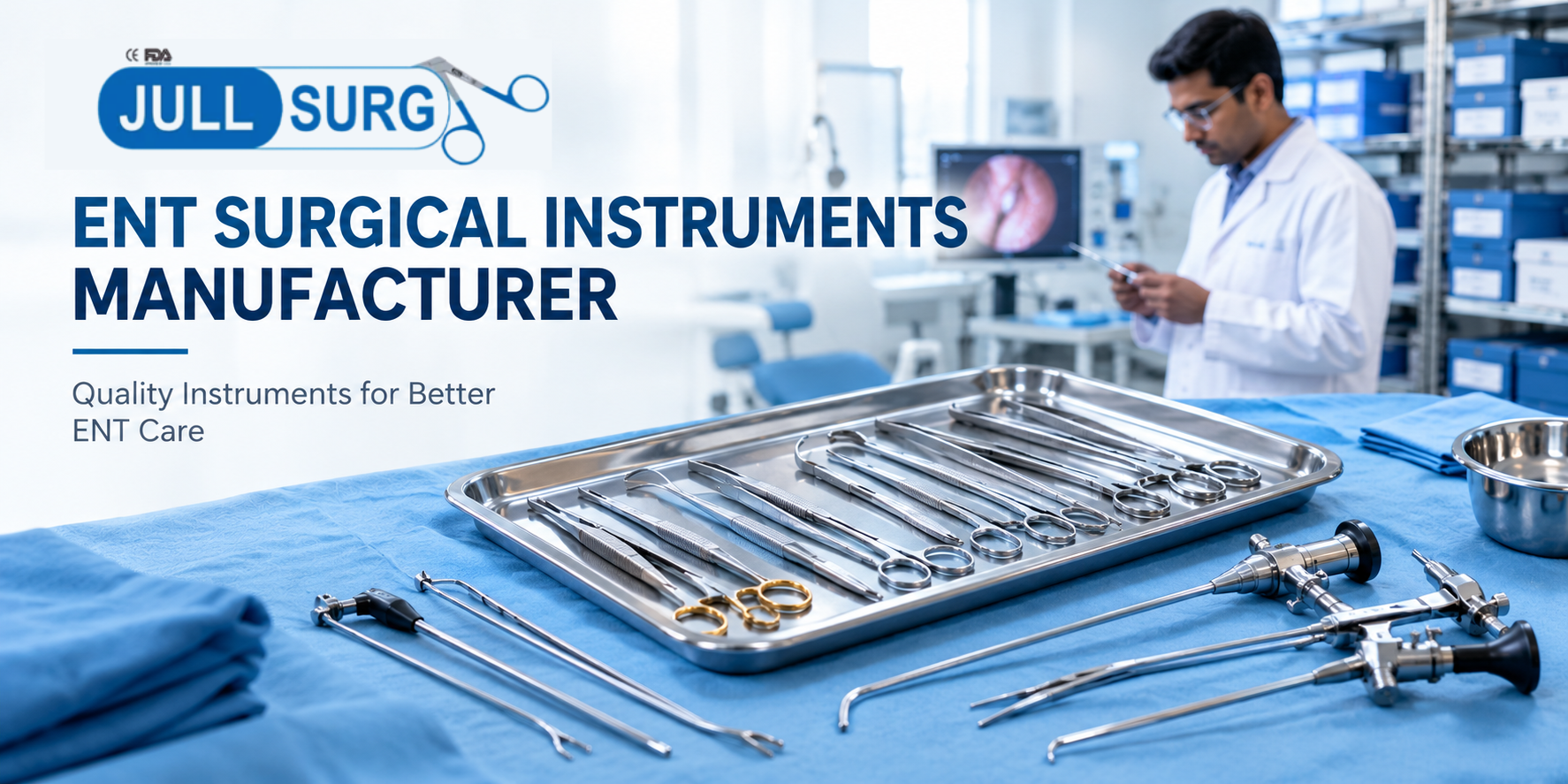
- ENT
- Neurosurgery
- Gynecology
- Ophthalmology
- Plastic Surgery
A suitable product range can help hospitals maintain consistency while reducing the need to coordinate with multiple vendors.
6. Not Checking Sterilization and Maintenance Requirements
Surgical instruments need proper cleaning, sterilization, inspection, and storage. Hospitals should understand these requirements before purchasing.
Procurement teams should ask whether the instruments are suitable for the sterilization methods used by their facility and carefully follow the manufacturer's instructions.
Important considerations include:
- Autoclave compatibility
- Cleaning procedures
- Corrosion resistance
- Proper handling
- Inspection after sterilization
- Storage requirements
Regular maintenance and correct handling can help instruments remain suitable for use and reduce avoidable damage.
7. Overlooking Delivery and Supply Reliability
Even high-quality products can create procurement problems if they are not delivered when required.
Hospitals should evaluate a supplier's ability to maintain regular supply and meet agreed delivery schedules. This is especially important for frequently used instruments.
Check factors such as:
- Product availability
- Production capacity
- Order processing time
- Inventory management
- Shipping arrangements
- Delivery timelines
For international purchasing, working with an experienced surgical instruments exporter India can make communication and export coordination easier.
8. Not Comparing Long-Term Supplier Support
The supplier relationship should not end when the order is delivered. Hospitals may need product information, order assistance, documentation, or support with future purchases.
Before selecting a supplier, ask about:
- Customer service
- Product information
- Order communication
- Replacement assistance
- Availability of commonly purchased products
- Long-term support
A supplier that communicates clearly can make future procurement much easier.
9. Ordering Without Checking Exact Product Requirements
Ordering the wrong instrument, size, design, or quantity can lead to unnecessary delays and additional costs.
Before sending a purchase order, procurement teams should clearly confirm:
- Instrument name and type
- Size and design
- Quantity
- Surgical specialty
- Required specifications
- Packaging requirements
It is also useful to confirm product details with the supplier before finalizing a large order. Clear communication helps reduce misunderstandings and incorrect shipments.
10. Choosing a Supplier Without Checking Manufacturing Capability
Hospitals should understand where their instruments are manufactured and how the production process is managed.
Sourcing from an established surgical instrument factory India can give buyers a clearer point of contact for manufacturing-related questions, quality processes, and product availability.
Before selecting a manufacturer, consider:
- Manufacturing capabilities
- Production consistency
- Quality inspection procedures
- Product range
- Supply planning
- Communication with the manufacturing team
This information can help hospitals make a more informed purchasing decision.
Why Hospitals Choose JullSurg
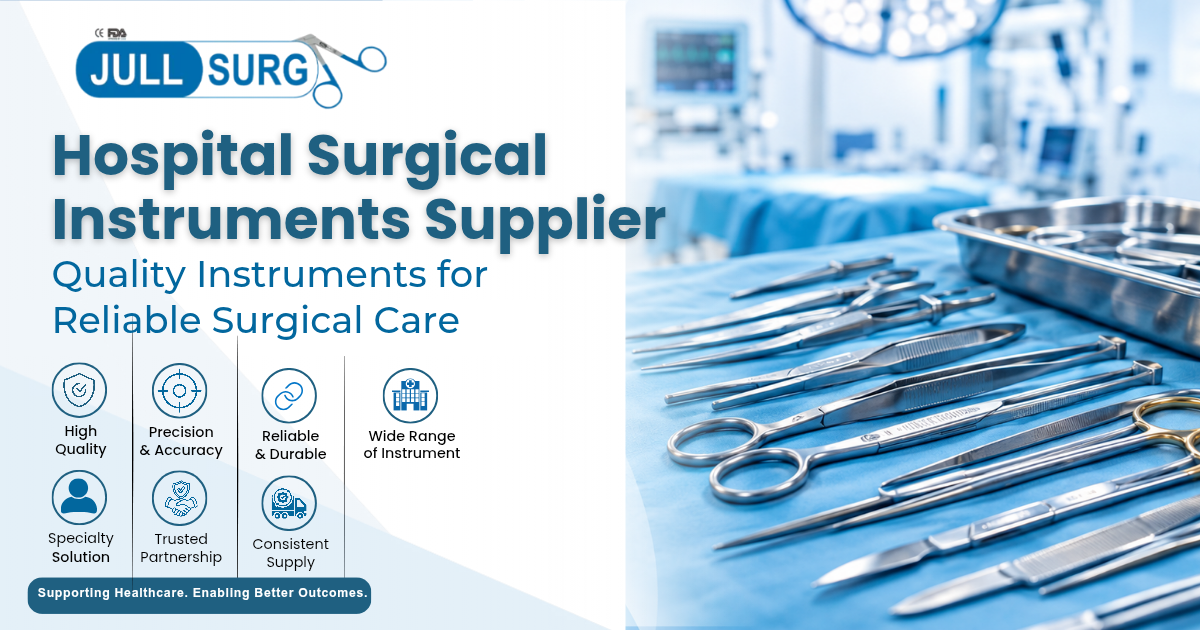
JullSurg focuses on supplying surgical instruments to healthcare buyers and distributors while maintaining attention to product quality and dependable service.
As a surgical instruments company India, JullSurg offers a range of products for different surgical requirements. Buyers can evaluate the company based on factors that matter during procurement, including:
- Manufacturing capabilities
- Wide product range
- Quality inspection processes
- Medical-grade materials
- Reliable product supply
- International export experience
- Competitive pricing
- Customer support
- Timely delivery
For hospitals looking for a hospital surgical instruments supplier, it is important to evaluate the complete supply relationship rather than selecting a supplier based only on price.
JullSurg also serves international markets as a surgical instruments exporter India, helping distributors and healthcare buyers source surgical instruments for their respective markets.
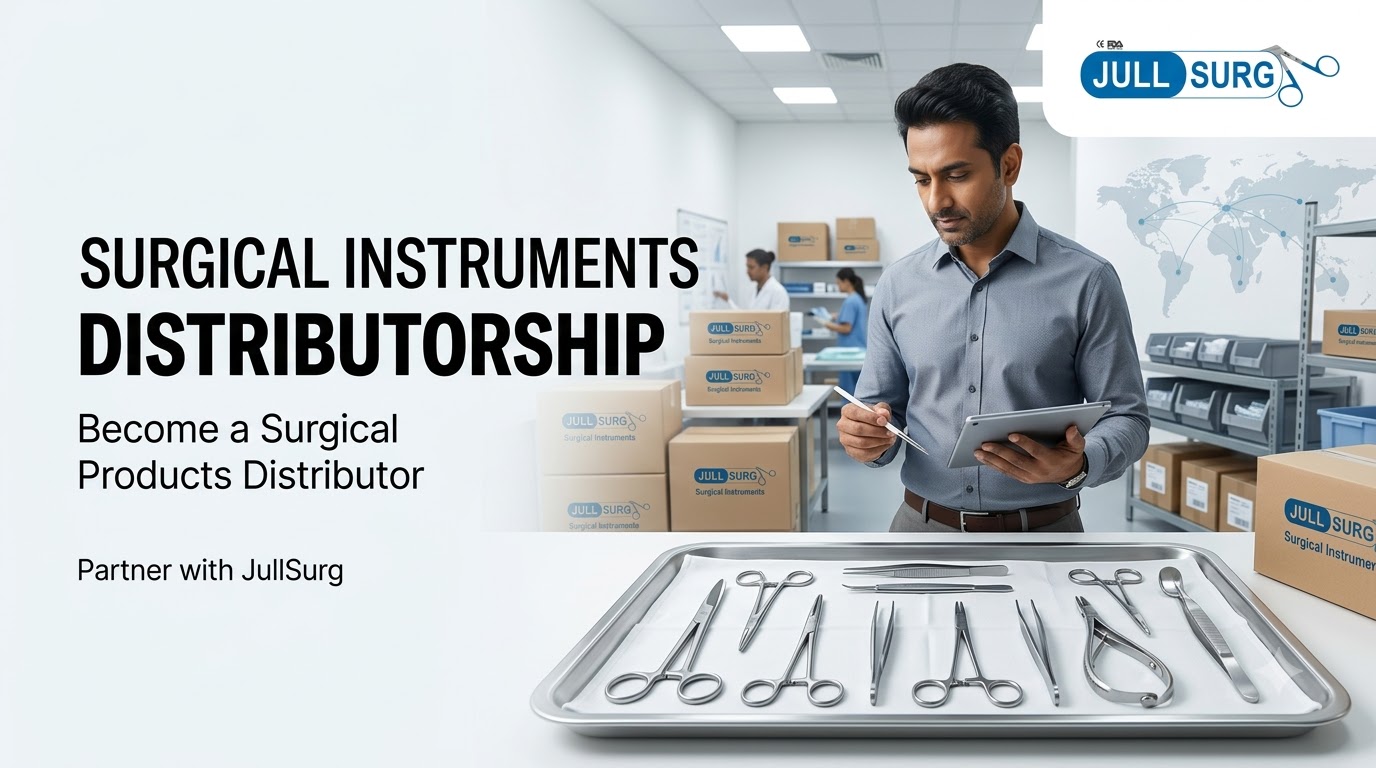
Surgical Instruments Distributorship Opportunities
Businesses entering the medical supply industry should also carefully evaluate manufacturers before starting surgical instruments distributorship.
A good manufacturing partner can help distributors build a dependable product portfolio. Before choosing a supplier, distributors should review:
- Product quality
- Product range
- Supply consistency
- Export experience
- Customer support
- Manufacturer reputation
JullSurg can be considered by businesses looking for a manufacturing and supply partner for surgical instruments and healthcare markets.
Conclusion
Purchasing surgical instruments involves more than comparing prices. Hospitals should evaluate material quality, supplier experience, certifications, sterilization requirements, product specifications, delivery reliability, manufacturing capability, and long-term support.
Choosing a dependable surgical instruments supplier can help hospitals manage procurement more effectively and maintain a consistent supply of products. For hospitals, healthcare organizations, importers, and businesses exploring surgical instruments distributorship, JullSurg offers manufacturing and export support for international healthcare markets.
As a surgical instruments company India and experienced surgical instruments exporter India, JullSurg can be considered by buyers looking for a reliable supplier focused on quality, consistency, and long-term business relationships.